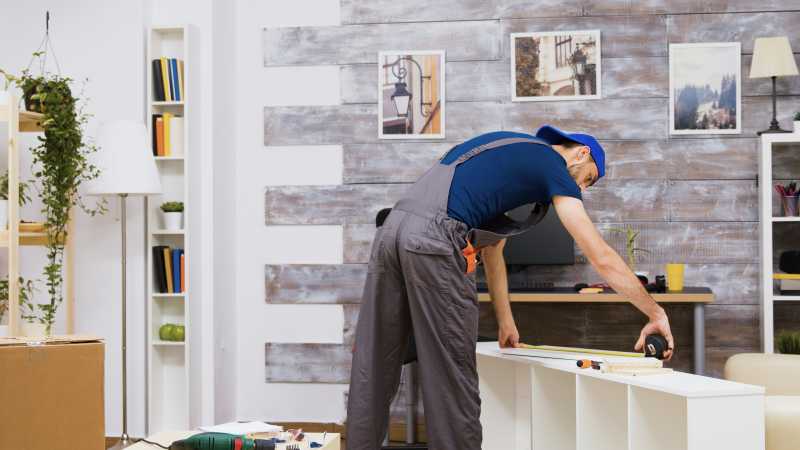
A beautiful home is more than just a place to live. It is a space where families spend quality time, relax after busy days, welcome guests, and create lasting memories. Over time, even a well-designed home can begin to feel outdated or less comfortable. Fortunately, upgrading your living space does not always require expensive renovations or major construction projects. Simple improvements, thoughtful decorating choices, and practical upgrades can make a noticeable difference.
Whether you live in a small apartment or a spacious family house, the right home improvement ideas can help you create a more attractive, functional, and comfortable environment. From refreshing your walls to improving lighting and organizing storage, there are many ways to give your home a fresh appearance while staying within your budget.
1. Refresh Your Walls With New Colors
One of the easiest ways to transform a living space is by updating the wall colors. Paint can completely change the atmosphere of a room without requiring a large investment. Light colors such as white, cream, beige, and soft gray can make smaller rooms feel brighter and more spacious.
If you prefer a modern appearance, consider adding an accent wall behind your sofa, television, or bed. Deep green, navy blue, and warm brown can create an elegant focal point. You can also use removable wallpaper if you want decorative patterns without making a permanent change.
Before painting, prepare the walls properly by cleaning the surfaces, filling small holes, and applying primer where necessary. A smooth finish will make the entire room look more professional.
2. Upgrade Your Lighting
Lighting plays an important role in the overall appearance and functionality of a home. Poor lighting can make even a beautifully decorated room feel dull, while the right lighting creates warmth and improves visibility.
Start by replacing outdated light fixtures with modern designs. Pendant lights, stylish ceiling lamps, and wall-mounted fixtures can add character to different areas of your home.
You can also combine different types of lighting:
- Ambient lighting provides general illumination.
- Task lighting helps with reading, cooking, and working.
- Accent lighting highlights artwork, shelves, and decorative features.
Consider using warm-white bulbs in bedrooms and living areas to create a relaxing atmosphere. In kitchens and workspaces, brighter lighting can make everyday activities easier.
3. Improve Your Living Room Layout
The living room is often the center of family activities. It is where people relax, watch television, entertain guests, and spend time together. Improving its layout can make the space more comfortable without purchasing expensive furniture.
Begin by arranging furniture to create a natural walking path. Avoid placing too many large pieces in one area, especially if the room is small. Position sofas and chairs in a way that encourages conversation while maintaining enough space for movement.
A decorative rug can help define the seating area, while cushions and throws introduce additional colors and textures. Adding a small coffee table or side table can also improve functionality.
Choose furniture that suits the size of your room instead of following trends that may not work in your space.
4. Modernize Your Kitchen
The kitchen is one of the most frequently used areas in any home. It should be practical, clean, and visually appealing. Fortunately, you can improve its appearance through several affordable upgrades.
Consider replacing old cabinet handles with modern hardware. This small detail can give kitchen cabinets a refreshed look. If the cabinets are still in good condition, painting them may be more affordable than replacing them completely.
Other useful kitchen improvements include:
- Installing better task lighting.
- Adding a stylish backsplash.
- Organizing drawers and cabinets.
- Replacing worn-out faucets.
- Creating additional countertop storage.
Keep frequently used items within easy reach and remove unnecessary clutter from countertops. A well-organized kitchen makes cooking and cleaning more enjoyable.
5. Make Better Use of Small Spaces
Small homes require creative planning to make every area useful. Instead of filling rooms with unnecessary furniture, focus on practical solutions that maximize available space.
Multi-functional furniture is an excellent option. Storage beds, folding tables, compact desks, and ottomans with hidden storage can serve multiple purposes without occupying too much room.
Vertical storage is another effective solution. Wall-mounted shelves, hanging organizers, and tall cabinets help use unused wall space.
Mirrors can also make small rooms appear larger by reflecting natural and artificial light. Place them strategically to improve the overall feeling of openness.
6. Upgrade Your Bathroom
A bathroom renovation does not always need to involve replacing every fixture. Small improvements can make the space feel cleaner, more modern, and more comfortable.
Start by replacing outdated faucets, showerheads, and cabinet handles. These details can improve the overall appearance without requiring a complete renovation.
You can also consider installing a new mirror, improving ventilation, or adding better lighting around the vanity area.
Keep bathroom essentials organized using shelves, baskets, and storage cabinets. Choose moisture-resistant materials for bathroom accessories to help them last longer.
Regular cleaning and repairing leaking faucets or damaged seals will also help maintain the space.
7. Bring Nature Indoors With Houseplants
Indoor plants are a simple way to make a home feel fresh and inviting. They introduce natural colors, improve visual interest, and can complement almost any interior design style.
Popular indoor options include snake plants, pothos, spider plants, and peace lilies. However, the best choice depends on available sunlight, humidity, and the amount of care you can provide.
Place plants near suitable windows, on shelves, or in decorative floor pots. Avoid overcrowding rooms with too many plants, as this can make the space feel untidy.
If you have limited time for plant care, choose low-maintenance varieties that suit your home’s conditions.
8. Improve Home Organization and Storage
A clutter-free home often feels more spacious, comfortable, and attractive. Good organization also makes it easier to find everyday items and maintain a clean environment.
Start by identifying areas where clutter collects, such as entryways, kitchen counters, bedroom closets, and living room shelves.
Use storage baskets, labeled containers, drawer organizers, and wall-mounted hooks to keep belongings in their proper places.
Develop simple habits that make organization easier. Put items back after using them, remove things you no longer need, and spend a few minutes each day tidying frequently used spaces.
A practical storage system can make even a small home feel more organized.
9. Upgrade Windows and Window Treatments
Windows influence both the appearance and comfort of a home. Old curtains, damaged blinds, or poorly maintained window frames can make rooms look outdated.
Replacing heavy curtains with lighter fabrics can allow more natural light into living spaces. If privacy is important, consider layered window treatments that combine sheer curtains with thicker drapes.
You can also improve window functionality by repairing damaged locks, sealing gaps, and cleaning the glass regularly.
Natural daylight can make rooms feel brighter and more welcoming. During warmer months, suitable blinds or curtains can also help control sunlight and indoor temperatures.
10. Improve Your Outdoor Living Area
Outdoor spaces deserve attention just like indoor rooms. A balcony, patio, garden, or small backyard can become a comfortable place to relax with a few thoughtful improvements.
Start by cleaning the area and removing unnecessary items. Add weather-resistant seating, outdoor cushions, and suitable lighting to create a welcoming atmosphere.
If you have enough space, consider adding potted plants, a small dining table, or a decorative pathway. Even a compact balcony can become an enjoyable outdoor retreat with the right arrangement.
Remember to choose outdoor furniture and materials designed to withstand local weather conditions.
11. Make Your Home More Energy Efficient
Energy-efficient improvements can increase comfort while helping reduce unnecessary electricity consumption.
Start with simple changes such as replacing traditional bulbs with LED lighting, switching off unused electrical devices, and choosing energy-efficient appliances when replacements are needed.
Proper insulation and weatherstripping can help reduce unwanted heat transfer through doors and windows. Ceiling fans may also improve air circulation and reduce dependence on air conditioning in suitable conditions.
When purchasing new appliances, compare their energy ratings, operating costs, and long-term benefits rather than focusing only on the initial price.
12. Personalize Your Home With Decorative Details
A home should reflect the personality and lifestyle of the people who live in it. Decorative details are an excellent way to create a unique environment without making major structural changes.
Family photographs, framed artwork, decorative mirrors, books, and handmade accessories can add character to different rooms.
Choose a consistent color palette to create a balanced appearance. You do not need to match everything perfectly, but combining complementary colors and textures can make your interior design feel more coordinated.
For more everyday inspiration, family-friendly ideas, and lifestyle content, you can visit Lookwhatmomfound Giveaways. Exploring useful online resources can help homeowners discover fresh approaches to making their living spaces more enjoyable.
13. Create a Practical Home Improvement Budget
Before starting any improvement project, establish a realistic budget. Planning your spending helps prevent unnecessary expenses and makes it easier to prioritize important upgrades.
Divide your projects into three categories:
Essential improvements: These include repairing leaks, fixing electrical problems, addressing damaged flooring, and improving safety.
Comfort improvements: These include better lighting, additional storage, improved furniture arrangements, and bathroom upgrades.
Decorative improvements: These include new paint colors, artwork, decorative cushions, indoor plants, and stylish accessories.
Focus on essential repairs first. Once those are completed, you can gradually work on comfort and decorative improvements.
It is also wise to keep a small reserve for unexpected expenses, especially when working on older properties.
Conclusion
Upgrading your living space does not have to be complicated or expensive. Simple improvements such as refreshing wall colors, updating lighting, organizing storage, modernizing kitchen details, and introducing indoor plants can make a significant difference in your home’s appearance and functionality.
The most successful home improvement projects are those that meet your everyday needs while reflecting your personal style. Start with the areas that require the most attention, set a realistic budget, and complete improvements step by step.
With thoughtful planning and a little creativity, you can transform your home into a more comfortable, organized, and welcoming place for everyone. See more