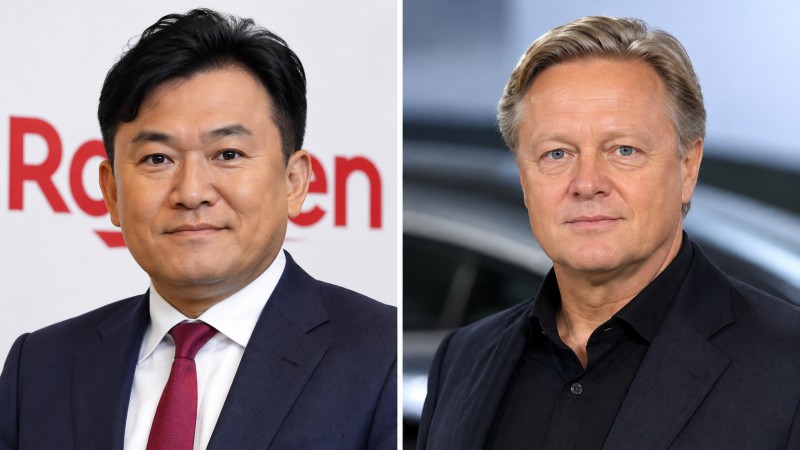
When researching Hiroshi Mikitani and Henrik Fisker, an important question emerges: what connects these two internationally recognized entrepreneurs?
Both have built businesses around innovation, but their professional journeys are very different. Mikitani established Rakuten as a major Japanese technology group, while Fisker developed a reputation through luxury automotive design and electric vehicle entrepreneurship.
There is no verified public evidence establishing that Mikitani and Fisker are business partners, co-founders, relatives, or direct investors in each other’s businesses. Their connection is best understood through a comparison of their entrepreneurial careers, business strategies, and approaches to innovation.
Who Is Hiroshi Mikitani?
Hiroshi Mikitani is a Japanese entrepreneur best known for founding Rakuten Group. His business career spans e-commerce, financial technology, telecommunications, digital content, and other services.
Born on March 11, 1965, in Kobe, Japan, Mikitani studied at Hitotsubashi University before beginning his professional career in banking.
He later earned an MBA from Harvard Business School in 1993. His experience in finance and international business helped shape his approach to entrepreneurship.
In February 1997, Mikitani founded the company that became Rakuten. The business initially focused on online shopping through Rakuten Ichiba, a marketplace connecting merchants with customers.
Rather than limiting the company to online retail, he pursued a broader business ecosystem.
Today, Rakuten operates across several sectors, including:
-
E-commerce and online marketplaces.
-
Financial technology and digital banking.
-
Mobile telecommunications.
-
Digital content and entertainment.
-
Sports and other business ventures.
Rakuten’s official corporate information identifies Mikitani as its founder and Chairman and CEO.
How Did Mikitani Build Rakuten?
Mikitani’s approach centered on creating opportunities for businesses and consumers through interconnected digital services.
Rakuten Ichiba gave merchants an online platform to reach customers. The company subsequently expanded into additional services, creating a wider ecosystem.
This approach helped Rakuten develop beyond its original marketplace business.
One important distinction is that Mikitani’s success cannot be attributed to a single product. It reflects the development of multiple businesses under a broader corporate strategy.
His career also demonstrates how an entrepreneur can use experience in finance, technology, and management to build a company with international operations.
Who Is Henrik Fisker?
Henrik Fisker is a Danish automotive designer and entrepreneur recognized for designing luxury vehicles and founding electric vehicle businesses.
Henrik Fisker developed his career in the automotive industry, where design, engineering, and brand identity played central roles.
He became associated with several internationally recognized automotive manufacturers, including BMW, Ford, and Aston Martin.
Some of his notable design work includes the BMW Z8, Aston Martin V8 Vantage, and Aston Martin DB9.
His professional background gave him experience in vehicle styling, product development, and the luxury automotive market.
However, Fisker wanted to move beyond designing vehicles for established manufacturers. He also wanted to create his own automotive businesses.
Fisker’s Journey Into Electric Vehicles
Fisker became an entrepreneur through his involvement in independent automotive ventures.
His earlier company, Fisker Automotive, introduced the Fisker Karma, a luxury plug-in hybrid vehicle that entered production in 2011.
He later co-founded Fisker Inc. with Dr. Geeta Gupta-Fisker in 2016.
The newer company pursued an electric vehicle strategy, with the Fisker Ocean SUV becoming its best-known product.
The company emphasized distinctive design, technology, sustainability, and manufacturing partnerships.
Its business model relied on external manufacturing partners rather than building every part of the manufacturing operation independently.
However, the company encountered significant financial and operational difficulties.
Fisker Inc. filed for Chapter 11 bankruptcy protection in June 2024. Its liquidation plan was approved by a US bankruptcy court in October 2024.
This development is an important part of understanding Henrik Fisker’s entrepreneurial history.
Are Hiroshi Mikitani and Henrik Fisker Business Partners?
This is the central question behind the keyword.
Based on the public sources reviewed, there is no reliable documentation establishing a direct business partnership between Hiroshi Mikitani and Henrik Fisker.
No verified joint venture, co-founded company, or publicly documented major investment between the two has been established in this research.
Their professional histories instead point toward separate business activities.
Mikitani’s career is primarily connected to Rakuten and its associated companies. Fisker’s documented career centers on automotive design and his independent vehicle businesses.
It is important to distinguish between three different types of connections:
-
Business partnership: Evidence that two individuals worked together through a company or commercial agreement.
-
Investment relationship: Documentation showing that one person invested in the other’s business.
-
Professional comparison: An examination of two individuals based on their careers, achievements, and industries.
For Mikitani and Fisker, the third category is the most defensible interpretation.
The absence of a publicly verified partnership does not prove that the two individuals have never met or communicated privately. It simply means that a meaningful business relationship should not be presented as established fact.
Hiroshi Mikitani and Henrik Fisker: Key Differences
Although both individuals are associated with entrepreneurship and innovation, their businesses developed around different products and markets.
| Comparison | Hiroshi Mikitani | Henrik Fisker |
|---|---|---|
| National background | Japanese | Danish |
| Main industry | Technology and internet services | Automotive |
| Best known for | Rakuten | Automotive design and Fisker companies |
| Professional background | Banking and entrepreneurship | Automotive design |
| Main business focus | Digital services and commerce | Vehicle design and electric mobility |
| Major company | Rakuten Group | Fisker Inc. and Fisker Automotive |
| Business model | Diversified digital ecosystem | Automotive products and manufacturing partnerships |
| Major challenge | Managing complex businesses across industries | Funding, production, and operational execution |
The most significant difference is the type of business each entrepreneur attempted to build.
Mikitani developed a diversified organization that could expand through digital services.
Fisker pursued a product-centered business in which vehicle development, manufacturing, distribution, and customer support all needed to work together.
What Do Their Entrepreneurial Careers Have in Common?
Despite working in different industries, Mikitani and Fisker share several broad professional characteristics.
1. Both Pursued Independent Business Ideas
Neither entrepreneur became widely recognized simply by remaining within an established corporation.
Mikitani moved from banking into building Rakuten.
Fisker moved from designing vehicles for established manufacturers toward founding independent automotive businesses.
Their careers demonstrate different ways professionals can use industry experience to pursue entrepreneurial opportunities.
2. Both Focused on Innovation
Innovation played an important role in both careers.
Mikitani focused on using digital platforms to change how consumers and merchants interact.
Fisker focused on automotive design and new approaches to electric mobility.
Their products and services differed, but both pursued opportunities to challenge established business models.
3. Both Entered Competitive Markets
Technology and automotive manufacturing are difficult industries to enter and sustain.
Rakuten competed in a digital marketplace environment where businesses needed to attract merchants, consumers, and partners.
Fisker’s automotive ventures faced challenges involving manufacturing costs, competition, vehicle development, and access to capital.
These differences help explain why comparing the two requires more than simply looking at their public profiles.
4. Their Business Outcomes Were Different
Mikitani’s Rakuten developed into a diversified international business group.
Fisker Inc., on the other hand, entered bankruptcy proceedings in 2024 and moved into liquidation.
This comparison highlights an important business lesson: having an innovative idea is not enough to guarantee long-term commercial success.
Companies also need reliable operations, adequate financing, customer support, and sustainable business models.
What Happened to Henrik Fisker’s Business?
Henrik Fisker’s entrepreneurial career deserves closer examination because the financial difficulties of Fisker Inc. represent a significant chapter in his professional history.
The company developed the Fisker Ocean, an electric SUV intended to compete in the growing electric vehicle market.
However, the business experienced difficulties involving production, cash flow, and its search for additional financial support.
In June 2024, Fisker Inc. entered Chapter 11 bankruptcy proceedings in the United States.
The company subsequently moved toward liquidation rather than continuing its previous business operations.
In October 2024, the bankruptcy court approved its liquidation plan. The process included the sale of remaining vehicles and arrangements concerning technical support for Ocean owners.
Reuters reported that an agreement helped preserve the sale of approximately 3,000 Ocean SUVs to American Lease, along with arrangements for continuing technical support.
This distinction matters because Fisker’s personal professional identity and the legal status of his former company are not the same thing.
A company’s bankruptcy does not automatically establish the end of an individual’s career as a designer or entrepreneur.
What Can Entrepreneurs Learn From Mikitani and Fisker?
The careers of these two business leaders offer useful lessons, particularly for people interested in building companies in competitive industries.
Build a Business Model Around Long-Term Demand
Mikitani’s Rakuten strategy demonstrates the potential of expanding a business through connected services.
Rather than depending entirely on one source of revenue, the company developed activities across multiple sectors.
However, diversification also requires strong management and coordination.
Product Innovation Needs Operational Support
Fisker’s automotive experience illustrates the complexity of turning an appealing product concept into a sustainable business.
Vehicle development involves much more than design.
Manufacturing, supply chains, distribution, financing, software, and after-sales support all influence the customer experience.
Understand the Difference Between Vision and Execution
An entrepreneur can have a strong vision and still encounter serious commercial difficulties.
Fisker’s experience shows why execution matters alongside product innovation.
Mikitani’s career, meanwhile, illustrates the importance of developing an organization capable of operating across different markets.
Adapt to Industry Changes
Both technology and automotive markets continue to evolve.
Companies must respond to changing customer expectations, competition, regulations, and technological developments.
Long-term business performance depends partly on how effectively leaders respond to these changes.
Why Are Hiroshi Mikitani and Henrik Fisker Compared?
The keyword combining their names may suggest a direct connection, but the more useful reason to examine them together is their shared association with entrepreneurship and innovation.
They represent two different approaches to building businesses.
Mikitani developed a technology ecosystem that expanded beyond its original e-commerce activities.
Fisker pursued automotive design and attempted to establish independent electric vehicle companies.
Their comparison offers a broader perspective on how business opportunities differ across industries.
It also demonstrates why researchers should distinguish documented professional relationships from similarities in career paths.
For readers looking for an actual partnership, investment, or family connection, the available evidence does not establish one.
Conclusion
Hiroshi Mikitani and Henrik Fisker have different professional backgrounds, business interests, and entrepreneurial experiences.
Mikitani is recognized for establishing Rakuten and developing a diversified technology business. Fisker is known for his automotive design career and attempts to build independent electric vehicle companies.
Although their careers share themes of innovation and entrepreneurship, no direct business partnership between them has been verified through the public documentation reviewed.
Understanding this distinction provides a more accurate picture of both individuals. Their stories are valuable not because they are proven business associates, but because they demonstrate two different approaches to entrepreneurship, innovation, and building companies. See more
7. Frequently asked questions
1. Are Hiroshi Mikitani and Henrik Fisker business partners?
There is no verified public documentation establishing a direct business partnership between Hiroshi Mikitani and Henrik Fisker. Their documented professional activities are associated with different companies and industries.
2. Who is Hiroshi Mikitani?
Hiroshi Mikitani is a Japanese entrepreneur who founded Rakuten in 1997. He is known for expanding the company into e-commerce, financial technology, telecommunications, and digital services.
3. Who is Henrik Fisker?
Henrik Fisker is a Danish automotive designer and entrepreneur. He is known for designing luxury vehicles and founding automotive businesses, including Fisker Automotive and Fisker Inc.
4. Did Hiroshi Mikitani invest in Fisker Inc.?
The research reviewed did not identify reliable public documentation confirming that Hiroshi Mikitani made a major investment in Fisker Inc.
5. What companies are associated with Hiroshi Mikitani?
Mikitani is primarily associated with Rakuten Group and its related businesses, including Rakuten Mobile, Rakuten Symphony, and Rakuten Medical.
6. What happened to Fisker Inc.?
Fisker Inc. filed for Chapter 11 bankruptcy protection in June 2024. Its liquidation plan received court approval in October 2024.
7. Did Henrik Fisker design the BMW Z8?
Yes. Henrik Fisker’s professional biography identifies the BMW Z8 among his notable vehicle designs. He also worked on vehicles associated with Aston Martin.
8. What is the main difference between Mikitani and Fisker?
Mikitani built a diversified technology and internet services business, while Fisker concentrated on automotive design and electric vehicle entrepreneurship.
9. Are Hiroshi Mikitani and Henrik Fisker related?
No family relationship has been established in the reliable public sources reviewed. A family connection should not be assumed from the fact that their names appear together in searches.
10. What can entrepreneurs learn from their careers?
Their careers demonstrate the importance of innovation, business-model development, financial planning, operational execution, and adapting to competitive markets.